Can diversity pay dividends in a small wine region devoted largely to Pinot Noir?
It’s a pressing question, especially in a place as compact and climatically unforgiving as Martinborough, the remote rural village situated in the south east of New Zealand's North Island.
The name Martinborough is synonymous with distinctively earthy tasting Pinot Noirs and is the hub of the winemaking in the wider Wairarapa Wine Region (the region's official name), with approximately half of the overall plantings of 1,122 hectares of producing vineyard land. The vines here are buffeted by spring winds that threaten flowering and frost that snaps at the heels of vines at both ends of the season. When the conditions align, Martinborough produces some of the most impressive Pinot Noir in New Zealand and further afield, which alone might be enough to tempt a region's winemakers to double down on what they already do extremely well. But the opportunity,that speaks to the future of wine's long term appeal, lies in diversifying rather than narrowing the focus.
Diversity isn’t merely a romantic idea; it’s a biological engine. A chance to create a varied vineyard landscape that feeds into a richer microbiome, strengthens soil structure, builds resilience in the environment. Monoculture may be a tidy message but it is also potentially a fragile ecosystem. A broader palette of varieties and styles creates ecological buffers with different root systems, different canopy architectures and different ripening windows, all of which help the land absorb stress rather than succumb to it. At least, that's one viewpoint and part of what led Jay Short and Peggy Dupey, owners of Nga Waka Wines, to broaden the range of grapes they grow and wines they make.
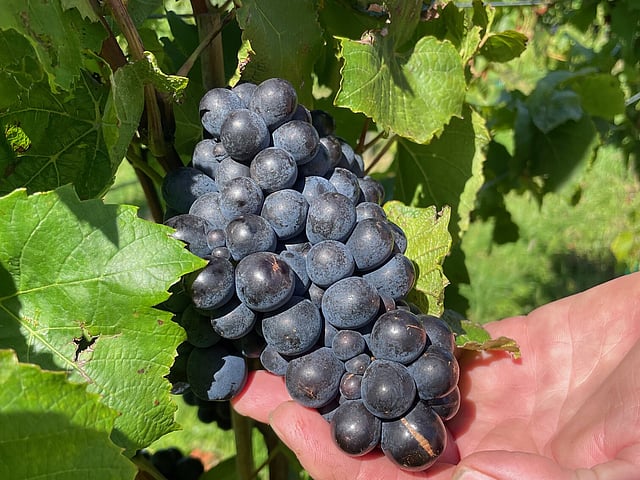
This year, they and their team launched the first Chenin Blanc and Gamay from Nga Waka. These two wines add significant diversity to a stable of wines that has included four single varietal wines. Those varietal wines are Chardonnay, Pinot Noir, Riesling and Sauvignon Blanc. There's also an exceptionally good quality Rosé but obviously not another varietal as it's made solely from Pinot Noir.
"Peg and I always loved Martinborough's Margrain Chenin Blanc and over the past 10 hears, the two hottest varieties that people are planting in California are Chenin and Gamay, so we thought we'd try it - and it could grow in popularity with young consumers," says Jay.
The addition of two new varietal wines to the mix increases Nga Waka's diversity by approximately 30% and it is set to diversify further with the pending addition of a new Syrah within the next five years.
Benefits of diversity
Insurance in seasons where grape varieties ripen at different times
Provides options for styles of wines made now and into the future
Grows the flavours on offer for new and existing wine drinkers
Supports soils by increasing the range of microbial life
And then there’s us. Our tastebuds., curiosity and appetite for surprise. We don’t eat the same food every night and then complain that food has become boring. Yet in wine, we often cling to Chardonnay, Cabernet Sauvignon of Tempranillo, only to discover that there's a world of wine waiting for us. It isn't possible to grow all grape varieties in all places but for all regions growing wine grapes or food - it isn't a question of whether a region can benefit by embracing diversity, It’s whether it can afford not to.
In my glass
2025 Nga Waka Gamay RRP $45
This fresh new Gamay is the first from Nga Waka and - to the best of my knowledge - from Martinborough. It's also a first for winemaker Paul Mason, who describes the 2025 vintage as one with grapes that were characterised by flavours that led to approachable wines with rounded, fleshy and softer flavours than the 2024 year. All of this works a treat for Gamay with its hallmark smooth fruity lifted appeal - this wine has a floral, fruit-forward taste and lively freshness. It's youthful and will develop more savoury tastes as it evolves.
Good drinking now and over the next three to four years.
2025 Nga Waka Riesling RRP $30
This is the third vintage of Riesling from new plantings on a 3.6 hectare vineyard site Martinborough where it shares space with Chardonnay, Chenin Blanc and Gamay. All grapes were hand picked, whole bunch pressed to tank and aged on lees for six to seven months to build texture into the wine. It's dry with three grams of residual sugar and while still youthful (it was bottled a week prior to my tasting of it in March), it's incredibly expressive with classic lime juice aromas and lime zesty appeal on the front palate.
High acidity lends this wine its vibrancy and super zesty style. It drinks well now and can evolve favourably for at least a decade.
2025 Nga Waka Chenin Blanc RRP $30
This is the first Chenin Blanc from Nga Waka Wines and was made from very young vines; the first crop on a relatively newly planted 3.6 hectare vineyard site in Martinborough. All grapes were hand picked and fermented in a combination of stainless steel and old oak (for 30 per cent of the wine - for five months to age on lees). It's dry with 3.1 grams of residual sugar. Beautiful fresh acidity and subtle honey tones underpin green apple aromas and freshness.
This wine brings Martinborough's tally of Chenin Blancs to three in total, alongside Ata Rangi and Margrain.
2025 Nga Waka Sauvignon Blanc RRP $25
Made from the Pirinoa vineyard block, south of Martinborough on heavier clay soils, this Sauvignon benefits from 10% ageing in older oak barrels for five months, which helps tone down the exuberance of this intense herbaceous varietal. It's dry with 3.2 grams of residual sugar and a juicy fruity aroma and fresh young style. Sauvignon Blanc makes up less than five per cent of the Nga Waka brand.
2025 Three Paddles Pinot Noir RRP $30
Fun in name and in taste, Three Paddles Pinot Noir provides a lovely glimpse of what Martinborough is all about, minus the high price tag. As a result, this wine is all about appealing red fruit and savoury spice aromas in a smooth, rounded wine. It's made from a mix of Pinot Noir clones; about six different clones, all planted in 1995. Its approachability also comes from a minor amount of oak ageing; for 10 months with 11% new oak.
2024 Nga Waka Pinot Noir RRP $40
Freshly bottled when tasted in March, this wine benefits from structure provided by 10 per cent whole bunch fermentation, which adds texture and weight, allowing the red and dark fruit to shine. It was aged for 14 months with 27% new oak and the remainder in tank.
Winemaker Paul Mason aims to make Pinot Noir with a broad structure, aiming for lower yields and richer flavours.
There was no 2023 Nga Waka Pinot Noir made.
Pictured: Growing the range of wines in Martinborough, New Zealand - Gamay about two weeks from harvest, a grape that represents significant diversity for this Pinot Noir region.