Central Otago is a wine buzzword (or two, as the case happens to be here) for Pinot Noir from an edgy environment with a cool climate, dry soils and high volume of vineyard area (and wine) devoted to Pinot Noir.
This week I dived into a three year old wine from a vineyard that is considered to be the most southern in the world and is also situated in the most eastern of Central Otago's wine growing areas at a latitude of 45.25 degrees south. The wine is Grasshopper Rock Block 2 Pinot Noir from the 2023 vintage.
The place it comes from is Alexandra and if it hasn't featured on your wine radar, it's not only worth a visit for the wine but also for the walking, mountain biking or, for those less inclined by steep slopes, for the exceptional drive to get there.
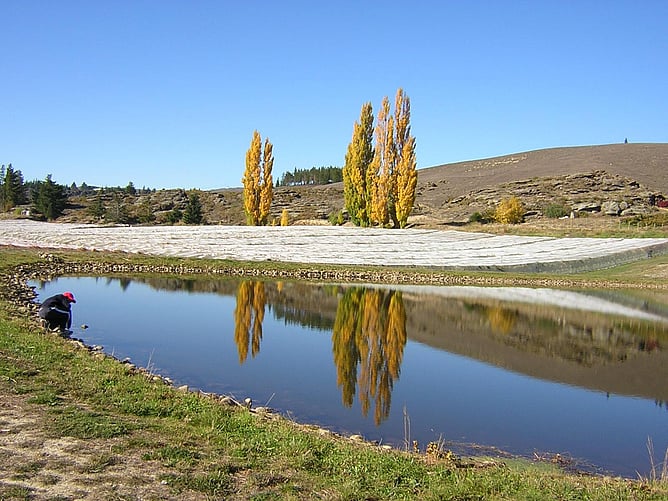
Breathtaking doesn't begin to touch the sides of the arid rocky beauty in Alexandra. The landscape is even more exceptional close-up where wild thyme blankets the extremely dry stony soils, made up of Otago schist which glistens in the sunlight thanks to its quartz-laden composition.
Grasshopper Rock is a relatively small producing brand owned by several couples who employ professional winemakers to produce their wines. But don't let that get in the way of the knowledgeable ownership base. One of the owners, Phil Handford, has researched the claim of southernmost vineyard in the world to verify its validity. His research delved into vineyards in Patagonia in South America.
"I found some evidence of grape growing trials below 45 degrees south but no evidence of successful and sustainable wine growing. This is similar to New Zealand where small numbers of vines grow south of 45.25 degrees south but these have proved to be unsustainable winegrowing ventures due to the more extreme and unreliable weather," says Handford in research he has published on Grasshopper Rock's website, alongside maps.
Southernmost claims aside, the wines from Alexandra differ dramatically from their counterparts in Central Otago in that they tend to be slightly lighter in colour with a vibrant ruby appearance and typically higher acidity, as you'd expect from such a cool crisp climate. Sub-regional differences have consistently been a source of research throughout Central Otago's winemaking community, which is a collaborative group of individuals focussed on research in their quest to make the best quality, most distinctive styles of Pinot Noir.
The wines made in Central Otago represent an extremely diverse landscape of flavours, aromas and philosophies, all brought to bear in the best Pinot Noirs made in the wider region, which are growing in both quality each vintage.
The vineyard at Grasshopper Rock
Situated in the eastern corner of Grasshopper Rock's Earnscleugh vineyard, Block 2 is defined by deeper clay formed from eroded schist, says Phil Handford, one of the owners of Grasshopper Rock.
Black 2 is planted entirely in the Abel clone of Pinot Noir and wines made from this portion of the vineyard have been a point of fascination for the owners of Grasshopper Rock for many years now and they see it as a wine with its own distinctive voice. I agree, as my notes below suggest.
2023 Grasshopper Rock Block 2 Pinot Noir Alexandra RRP $65
Deep, rich and elegant from the first sip, which shows significant structural composition with its weighty palate, supported by bold acidity, lending the dark cherry notes a depth and complexity, which shows in its red and macerated cherry aromas. This wine explores a place and a specific aspect of site that shines at three years old and clearly has the potential to develop further, thanks to firm but balanced acidity bringing length to every complex sip.