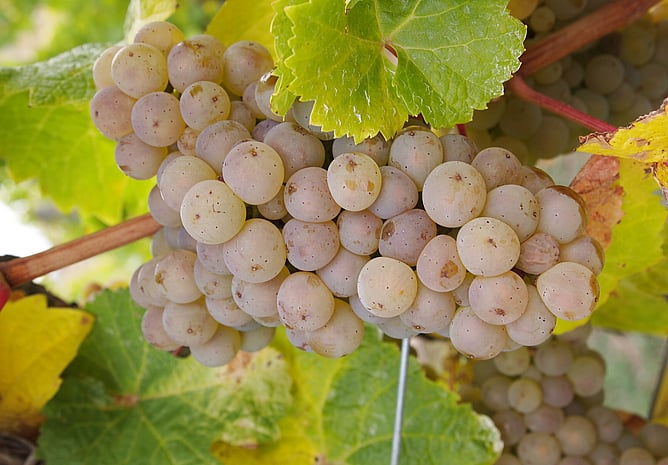
As new wine releases go, the launch of fruit flavour-infused, lower alcohol wine in a can is an interesting concept. Combining a single portion size with a lower than standard alcohol content are both ideal ways to market wine to parents of teenagers and teenagers themselves. It's the fruit part that piques my interest because wine is made from fruit already - grapes.
Over the past week, I've had the chance to taste three cans and five bottles that look like wine but don't smell or taste as familiar, due to having fruit-infused flavouring additions. These range from elderflower with Sauvignon Blanc to strawberry and elderflower-infused rosé to créme brûlée Chardonnay - and much more besides. It's been an interesting tasting exercise and one that reminds me of the light, fruity Muller-Thurgau that first appeared on my drinking radar late teen when wine first found its way into my glass. Muller-Thurgau soon lost appeal and was replaced by big buttery Chardonnay (flavour 'infusion' care of oak and malolactic fermentation). Memories of both Muller-Thurgau and buttery Chardonnays are a sobering reminder to keep an open mind, even if fruit‑infused wines do stretch the legal and traditional interpretations of what wine is supposed to be.
Fashionable as they may suddenly seem, fruit-infused wine-based beverages have existed for a long time. Bucks Fizz (two parts champagne, one part orange juice) was invented in 1921 while wine coolers came along in the mid 1970s in California and possibly never saw a grape in their production. Fast‑forward to today's Vera, Patisserie, the Non range, and a growing range of low‑ and no‑alcohol wines vying for space on supermarket and wine store shelves and there are two key questions. Who is the target market and are these wine-based beverages distracting from the fine wine market? And given that the fine wine market is (and has always been) small, is this so bad?
One of the most successful looking new brands in this flavour‑infusion renaissance is called Patisserie, which leans unapologetically into bakery‑themed flavours. The transparent, embossed bottle and its attractive font bear more than a passing resemblance to art nouveau. The taste is sweet and the alcohol ranges from 6% to 9% across the range of five flavour-infused variations. It’s very pretty, very intentional and very hard to overlook in a world where wine consumption is trending down and mindful alcohol consumption is trending up.
Are these new flavours bending the definition of wine or expanding it?
Purists will argue that wine, by definition, is fermented grape juice, based on widely accepted regulations across the global wine industry that define wine as the product of fermented fresh grapes, with minimal permitted additives. Once flavours are added, the beverage becomes a wine product, wine‑based beverage or an aromatised wine and these are not new. Vermouth, amaro (which can be wine or spirit-based) and Tonelli Corrado's Vino di visciola (wild sour cherry wine) are all flavour-infused tip of the iceberg examples.
What’s different now is the outlook for global wine consumption, which has been declining for factors ranging from financial pressures and a trend towards moderation to an ageing consumer base. Despite which, recruiting new young wine consumers is an opportunity for an industry that's finding itself in a highly dynamic changing landscape.
Wine is one of the most direct expressions of nature we have. One harvest, one chance each year, one opportunity to get this year's grapes from the ground to the glass. Flavour‑infused wines may not fit the strictest legal definitions of wine, but maybe they will be a stepping stone toward that journey rather than a detour on the road.
Try this
Vera Elderflower‑Infused Sauvignon Blanc RRP $4.99 per can
Elderflower lifts Sauvignon Blanc’s natural aromatics, adding a delicate botanical sweetness without overpowering its signature aromas. This is light‑bodied, 5% abv and a refreshing lighter style in both taste and alcohol. Serve lightly chilled. Drinkvera.co.nz