All about Albariño
Ant Saunders was in Seville when he first fell for the lip‑smacking acidity and salty freshness that make the white Spanish wine, Albariño, such a joy to drink but it was another 26 years before that joy became a business.
"When I first tried Albariño in 1998 in Seville, I'd never even heard of it before and the wine that arrived was a revelation - so delicious with that salty taste and acidity that had me coming back for more.”
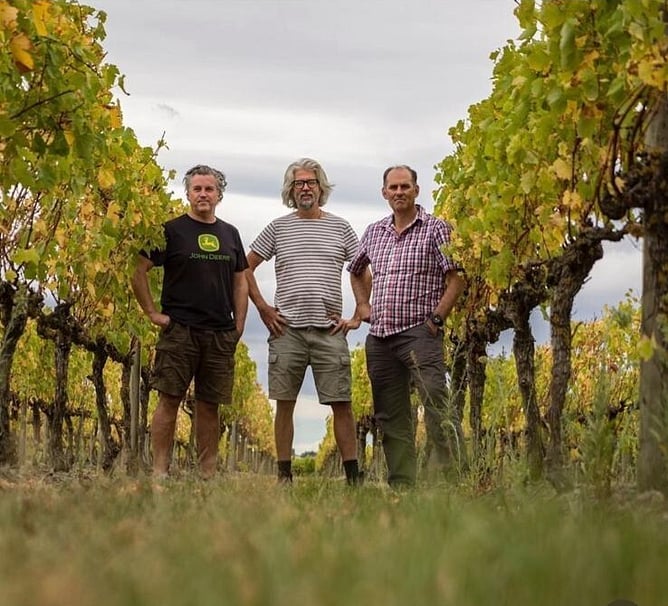
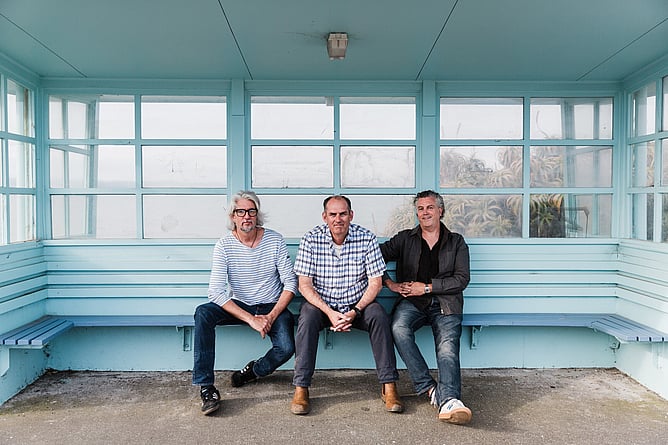
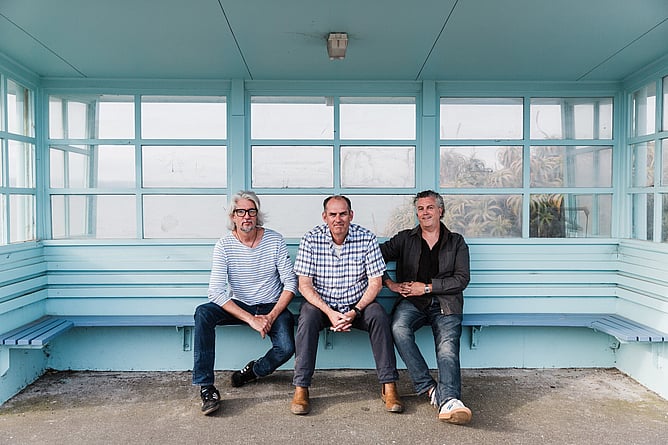
It was a moment that planted a seed which finally sprouted over two decades later in 2024 when Ant joined forces with fellow Albariño fans Ollie Powrie and Shaye Bird to form their still new-ish joint wine venture, Albariño Brothers. The trio bonded over a shared fascination with the under‑appreciated Iberian variety and a shared experience of winemaking in New Zealand’s maritime climate.
Their enthusiasm wasn’t casual. It began with chats, vineyard visits and a mutual long-held love for the Albariño grape variety, eventually leading to a firm business plan. In some ways, the rest is history but this being New Zealand, it's very much a youthful wine history, in the making.
The Albariño spark was first ignited for Ollie Powrie a little more recently, in 2014, when working as company viticulturist for Villa Maria (one of the largest wineries in the country at the time). Gisborne grower Brian Tietjen offered Powrie a portion of grapes from his newly planted Albariño block and the taste made him sit up and take notice.
“I will never forget the intensity and flavour of those grapes,” says Powrie.
The intense lime and citrus with striking acidity led Powrie to search for new sites in Gisborne, on which to plant Albariño. Today, the trio have come full‑circle in their love of Albariño, sourcing it from vineyards across two North Island wine regions in New Zealand: Gisborne and Hawke's Bay.
The Hawke’s Bay Albariño grapes come from the Talbot Vineyard in the Bridge Pa Triangle area (a sub-region with iron-rich soils) while the Gisborne Albariño grapes come from the Bell Vineyard in Hexton near Ormond and the Reynolds Vineyard known as Newstead Lane) near Makaraka. These names may not mean much to wine lovers outside of New Zealand but for those who have closely followed the fortunes of Gisborne and Hawke's Bay, it provides a snapshot of the variety of soils and climates in which Albariño can thrive.
An ideal grape for New Zealand
Shaye Bird’s Albariño awakening was when he tasted a Villa Maria wine from Gisborne. Like his fellow Albariño 'brothers', he too was struck by how naturally this white Spanish grape seemed to thrive in New Zealand. It retains its trademark vibrant acidity while developing distinctive flavours but, as importantly, it has strong resilience to viticultural issues that can dog thinner skinned grape varieties in this maritime country.
“Because of its tolerance to disease pressure, I see it being planted more widely in this country, as our climate changes. Our plan has always been to be the market leader of New Zealand Albariño.”
He also draws inspiration from Galicia, the grape’s homeland, which he visited in 2003 and recalls how green it was compared to the rest of Spain, giving it more in common with New Zealand's maritime climate.
Small scale equals high quality
One of the factors that impressed Bird the most was the relatively small size of most producers of Albariño in Rías Baixas, the DO in north west Spain from this grape originates. "Most vineyards there are small, family owned ventures so they have had to work together to succeed."
The Albariño 'brothers' trio have adopted a similar philosophy, working closely with long term experienced grape growers, such as Doug Bell, who was one of the first to planted Albariño in the Southern Hemisphere, in 2009.
Where to from here?
The focus of the brothers' business is to showcase the grape’s potential in Gisborne and Hawke’s Bay, producing three different Albariño blends each year and having now added a fourth wine with the release of the first Méthode Ancestrale sparkling Albariño.
The Méthode Ancestrale approach preserves Albariño’s unmistakable varietal character in a fresh, light style with six grams of residual sugar (RS) and five months ageing on lees ageing to bring textural qualities to the wine.
My tasting notes
I have tasted two of the four wines made by the ‘brothers’ and am impressed by the quality and stylistic differences in these two wines from Gisborne. Both wines show strong potential for this great Spanish white grape in the maritime climate of New Zealand, situated on the opposite side of the planet to its original homeland.
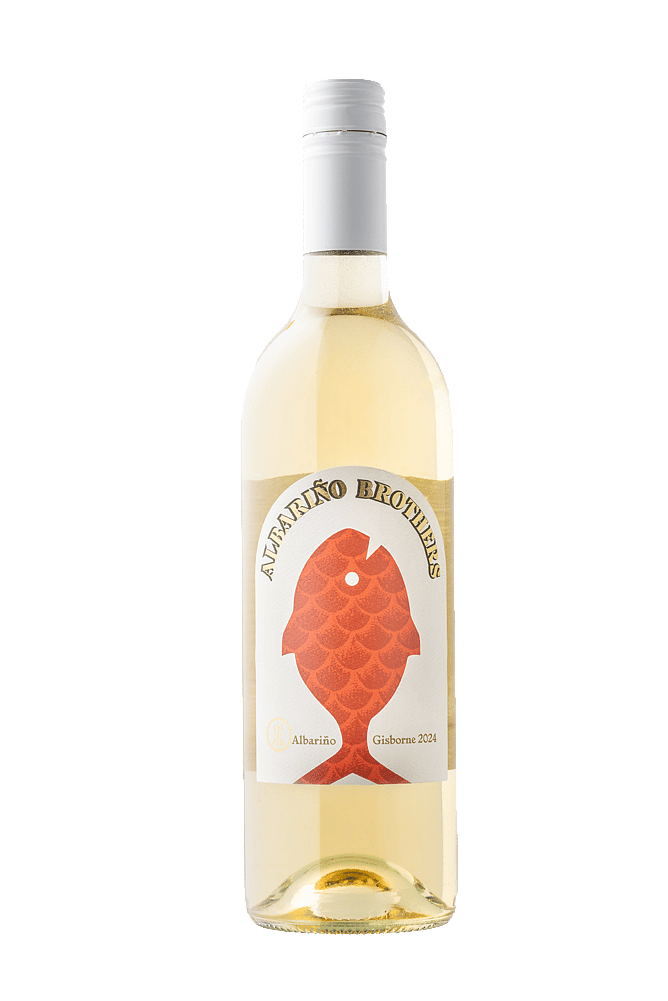
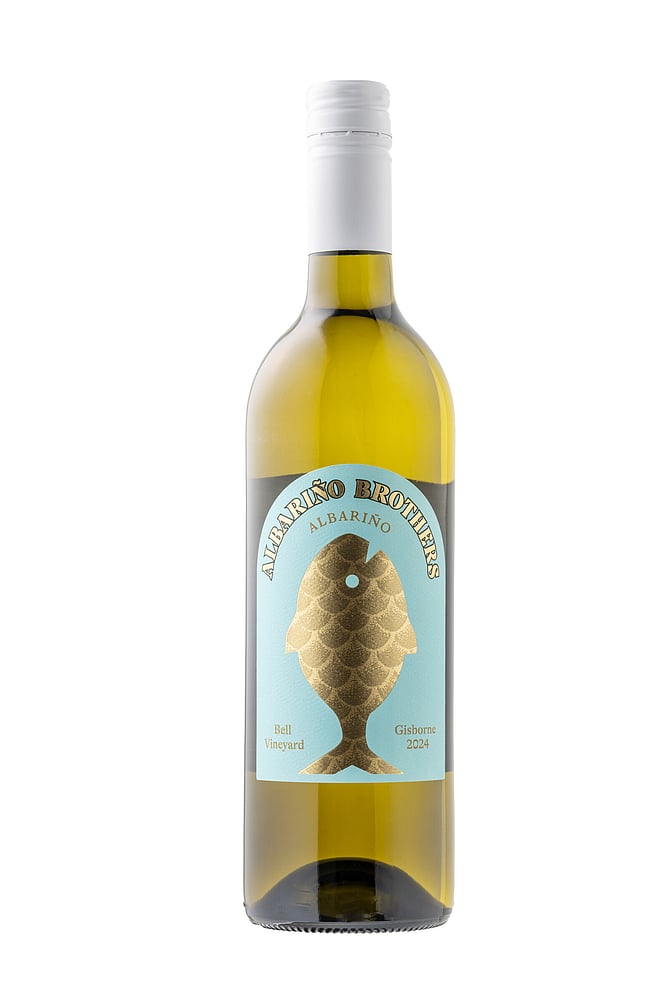
2024 Albariño Brothers Gisborne RRP $24.99
A bright, zesty introduction to New Zealand Albariño, showcasing Gisborne’s citrus‑driven purity and, even in the relatively warmer climate of this region, the lip smacking acidity of the grape shines in each sip. This is youthful and will develop favourably over at least two to three years but it's a bold young wine made with early drinking in mind.
2025 Albariño Brothers Bell Vineyard RRP $34.99
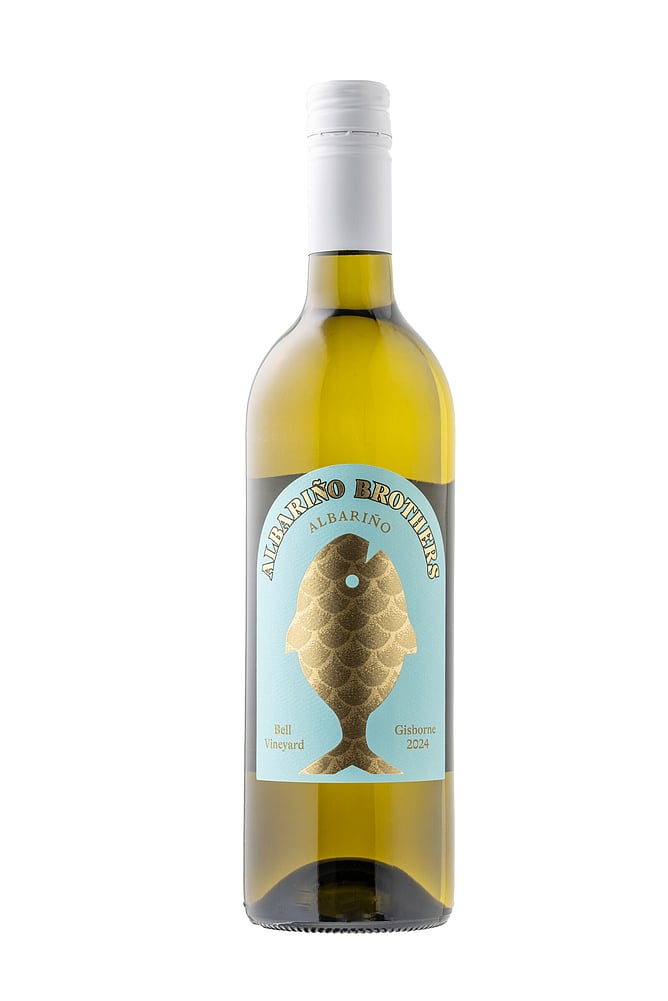
A single‑vineyard expression of Albariño from one of the first grape growers in New Zealand to plant the grape - Doug and Delwyn Bell. This wine offers depth, texture and intense aromatics of citrus, a salty twist and a hint of floral, all underpinned by great fresh vibrant acidity that gives the wine a long finish.
Find out more about Albariño Brothers online.